Source Durable Vacuum Cleaner Brush for Office, Home, and Car
Find 30 listings for a durable vacuum cleaner brush designed for office, home, and car cleaning. Compare specifications including bristle material, filament diameter, and power source to identify the right fit for your industrial or commercial needs; compare the available evidence and request quotations based on your requirements.
Key considerations
Products List






Comprehensive Sourcing Guide
Durable Vacuum Cleaner Brush Sourcing Guide
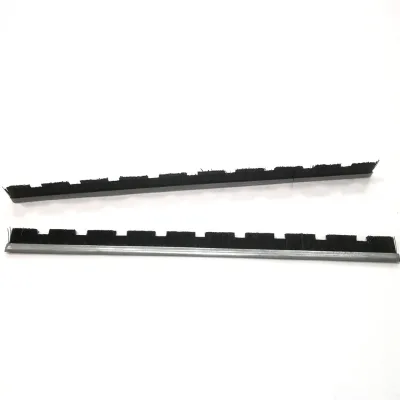
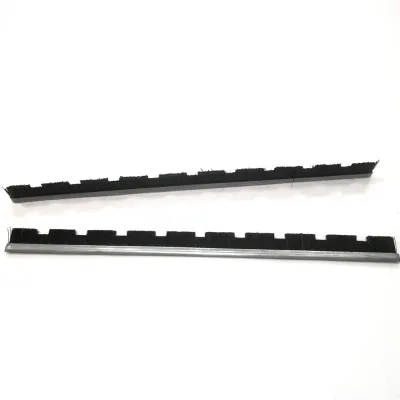
Sourcing durable vacuum cleaner brushes requires a clear understanding of the diverse product landscape available from manufacturers, particularly those originating from regions like Guangdong, China. The market offers a wide spectrum of items, ranging from complete automatic horizontal trolley-type vacuum cleaners with dust bag filtration to specialized replacement components like extension wands and dusting brushes. Buyers must distinguish between finished appliances and individual parts, as the supply chain for a 500-999W corded unit differs significantly from that of a synthetic fiber bristle brush with a galvanized sheet base. Understanding this distinction is the first step in defining procurement requirements accurately.
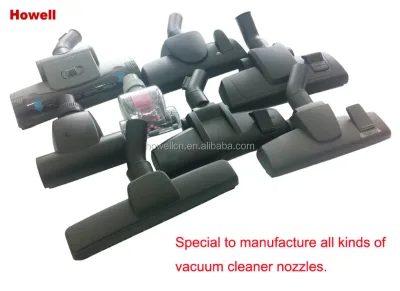
The observed product range includes various configurations, such as hand-held units with centrifugal cyclone collectors and industrial-grade wet and dry vacuums. While some listings highlight features like handle control and multiple filtered frequencies, others focus on specific material compositions, such as PA, PP, or PBT filaments. Procurement teams should evaluate whether their need is for a comprehensive cleaning system for office or car use or for high-volume replacement parts for existing machinery. This initial segmentation ensures that sourcing efforts are directed toward suppliers who specialize in the specific type of durability and performance metrics required for the intended application.
Product Scope and Observed Listing Signals
The current market signals indicate a broad inventory of vacuum-related products, with prices ranging from minimal costs for small accessories to substantial investments for full industrial units. Observed minimum order quantities (MOQs) vary widely, from single units for sampling to bulk orders of up to 20,000 pieces, reflecting the flexibility of suppliers in handling both pilot runs and large-scale manufacturing. Buyers should note that while some products are listed as non-customized, others explicitly offer customization options, allowing for tailored solutions such as specific filament colors or base material adjustments. This variability necessitates a careful review of each listing to align product capabilities with specific operational needs.
Key attributes observed include power sources that are predominantly corded, with power outputs between 500-999W for larger units, and noise levels kept below 70 dB for user comfort. Filament diameters for brushes are specified within a range of 0.1mm to 0.4mm, indicating precision in manufacturing for effective debris capture. Additionally, packaging is typically handled via carton, with options for wrapping upon request, which is crucial for protecting delicate bristle structures during sea or air shipping. These signals help buyers assess the logistical and operational fit of potential suppliers before initiating deeper technical discussions.
Technical Specifications to Verify
When evaluating vacuum cleaner brushes, verifying the bristle material is critical for ensuring longevity and cleaning efficacy. Common materials include synthetic fibers, PA, PP, PBT, and even animal hair, each offering distinct benefits in terms of static control and durability. Buyers should confirm the bristle length, with observations noting lengths around 4 inches, and ensure the base material, such as galvanized sheet or SUS304 stainless steel, matches the environmental demands of the cleaning task. These material choices directly impact the brush's resistance to wear, corrosion, and chemical exposure, making them primary factors in the durability assessment.
Airflow and filtration specifications are equally important for integrated systems. Products may feature air flows of 36L/S and utilize ultra-fine air filters or dust bag systems to maintain suction power. For industrial applications, the presence of a centrifugal cyclone dust collector can enhance efficiency by separating debris without clogging filters. Buyers must verify that the brush design complements the vacuum’s airflow dynamics and filtration type, ensuring that the component does not become a bottleneck in the cleaning process. Cross-referencing these technical details with the intended usage, whether dry or wet, is essential for optimal performance.
Compliance and Safety Documentation
Compliance with international standards is a non-negotiable aspect of sourcing durable vacuum components, particularly for export markets. Certifications such as CE, ROHS, SVHC, CP65, and UL-94 are frequently cited, indicating adherence to safety, environmental, and flammability regulations. Buyers must request valid certification documents to verify that the products meet the legal requirements of their destination countries. These certifications not only mitigate legal risks but also signal a supplier’s commitment to quality management systems and responsible manufacturing practices, which are vital for long-term procurement stability.
In addition to formal certifications, buyers should inquire about specific material safety data sheets, especially for brushes containing synthetic or animal hair filaments. Documentation should confirm that materials are free from harmful substances and meet static-free requirements for sensitive environments. While some background information suggests general compliance, explicit verification of current certificates is necessary due to potential regulatory updates. Ensuring that all components, from the aluminum or plastic handles to the filament materials, are properly documented protects the buyer from supply chain disruptions and liability issues.
Cost Drivers and Commercial Terms
The cost of vacuum cleaner brushes is influenced by several factors, including material selection, manufacturing complexity, and order volume. Products with specialized features, such as customized filament colors or specific base materials like SUS304, may command higher prices due to increased production costs. Buyers should analyze the price range of 0.01 to 50,000 USD to understand the value proposition of different product tiers. It is essential to correlate price with MOQs, as larger orders often yield better unit costs, but only if the supplier can maintain consistent quality at scale.
Commercial terms, including shipping methods and packaging, also impact the total cost of ownership. Options for sea or air shipping allow buyers to balance speed and cost, while carton packaging with optional wrapping adds protection but may increase logistics expenses. Buyers should negotiate clear terms regarding customization fees, tooling costs, and sample charges. Understanding these commercial dynamics helps in budgeting accurately and avoiding hidden costs that can erode margins. Transparent communication about these terms ensures a fair and sustainable partnership with suppliers.
Supplier Qualification and Quality Control
Qualifying suppliers requires a thorough assessment of their manufacturing capabilities and quality control processes. Buyers should verify the supplier’s experience in producing vacuum components, particularly those with specific certifications and material specifications. Requesting factory audits or third-party inspection reports can provide insights into production standards and consistency. Suppliers who offer customization should demonstrate robust engineering support to ensure that modified designs meet performance and durability requirements without compromising structural integrity.
Quality control measures should include rigorous testing of bristle attachment, base material strength, and overall assembly. Buyers should establish clear acceptance criteria for defects, such as loose bristles or uneven filament distribution. Implementing a sampling process before full production runs allows for early detection of quality issues. Additionally, suppliers should provide traceability for materials, ensuring that filaments and bases meet the specified standards. A proactive approach to quality control minimizes the risk of receiving substandard products and ensures that the durable vacuum cleaner brushes perform reliably in the field.
Long-Term Procurement Checks
Long-term procurement success depends on continuous monitoring of supplier performance and product reliability. Buyers should track key metrics such as defect rates, delivery times, and responsiveness to issues. Regular feedback loops with suppliers help identify areas for improvement and foster a collaborative relationship. It is also important to stay updated on regulatory changes and industry trends that may affect product requirements. Proactive engagement with suppliers ensures that they remain aligned with the buyer’s evolving needs and quality expectations.
Sustainability and ethical sourcing practices are increasingly important in long-term procurement strategies. Buyers should assess suppliers’ environmental policies and labor practices to ensure alignment with corporate social responsibility goals. This includes verifying that materials are sourced responsibly and that manufacturing processes minimize waste and energy consumption. By integrating these checks into the procurement process, buyers can build a resilient supply chain that supports both operational efficiency and broader organizational values.
FAQs
How do I choose the right brush size for my vacuum cleaner?
Match the brush to your machine using the model specification and the cleaning head diameter. The listed vacuum cleaner brush model VCB-D002 is designed for 15-90L vacuum cleaners, which covers most trolley-type wet and dry units. Measure your wand connection and confirm the fitting type with the supplier before ordering, and note that customized fittings are available when standard sizes do not match.
What materials are used in the bristles and base of these brushes?
The bristles are made from synthetic fiber, with filament options including PA, PP, PBT, and animal hair, available in diameters from 0.1mm to 0.4mm. The base can be galvanized sheet or SUS304 stainless steel, and handles come in aluminum or plastic. These material choices balance durability, static-free cleaning performance, and cost, and filament color options include black, white, transparent, and gray.
Which certifications should I look for when sourcing these brushes?
Look for CE certification on the associated vacuum cleaning equipment, and for brush components check ROHS, SVHC, CP65, and UL-94 compliance where the supplier provides it. Certification requirements vary by destination market, so confirm which documents apply to your region before ordering. Always request copies of current certificates rather than relying on claims listed in a product page alone.
Can the brush bristle length, color, and filament be customized?
Yes, customization is available. The standard bristle length is 4 inches, and filament diameter can be specified between 0.1mm and 0.4mm in PA, PP, PBT, or animal hair. Filament color can be black, white, transparent, gray, or customized, and packaging can be carton and wrapping or on request. Confirm customization scope, sample availability, and any additional cost directly with the supplier.
How are the brushes packed and shipped for bulk orders?
Bulk orders are typically packed by carton and wrapping, or according to your request. Shipping options include sea and air freight from China, so lead time depends on the chosen method, order volume, and destination port. For larger production runs, sea freight is usually the economical option, while air freight suits urgent samples or small trial orders. Confirm packing details before payment.
What functions does a vacuum cleaner brush provide beyond basic cleaning?
Besides cleaning, a quality brush delivers static-free operation, which reduces dust re-attachment to surfaces and improves pickup on flooring and upholstery. Synthetic fiber filaments with controlled diameter maintain stiffness and shape over repeated use, and an aluminum or plastic handle resists bending. Pairing the brush with extension wands and a dusting brush gives a complete attachment set for office, car, and home cleaning.
Which cleaning applications suit this type of vacuum cleaner brush?
The brush suits office cleaning, car cleaning, and home cleaning, and works with both dry and wet and dry vacuum cleaners in the 15-90L range. For dry application machines, standard mode operation with noise levels below 70 dB keeps indoor use comfortable. Verify that your machine's airflow, such as 36L/S on compatible models, matches the attachment for effective debris pickup.
How do I evaluate brush durability before placing a bulk order?
Review filament material, diameter, and bristle length first, since PA, PP, and PBT filaments between 0.1mm and 0.4mm indicate controlled quality. Check that the base uses galvanized sheet or SUS304 and the handle is aluminum or plastic for structural strength. Request samples, test for static-free behavior and filament retention under load, and confirm the model VCB-D002 specification matches your vacuum size.